
Understanding the Psychology of Bluffing
Bluffing in poker is not just a simple tactic; it requires a deep understanding of psychology and human behavior. Players must be attuned to the reactions and tendencies of their opponents. For instance, some players may be easily swayed by confident body language, while others might pick up on subtle tells that indicate a bluff. Additionally, those who enjoy the thrill of risk can explore online pokies as a way to sharpen their instincts and improve their chances of success.
Additionally, the ability to read emotions is crucial when executing a bluff. A successful bluffer needs to wear a façade of confidence, which can mislead opponents into folding their better hands. When players can project an image of strength, even with weak cards, it creates doubt in the minds of others. This psychological warfare is central to poker, and those who can master it often find themselves ahead in the game.
Furthermore, the timing of a bluff can dramatically influence its effectiveness. Bluffing too frequently or at the wrong moments can lead to a player being labeled as “untrustworthy,” which can backfire. Conversely, strategic timing—such as bluffing when the board suggests a potential strong hand—can lead to successful outcomes. Understanding these psychological nuances is key to mastering the art of bluffing in poker.
The Mechanics of a Successful Bluff
A successful bluff relies on a combination of factors that come together to convince opponents to fold. Firstly, players must consider their position at the table. Bluffing from an early position can be risky, as there are more players to act after you, potentially exposing your deception. On the other hand, bluffing from a late position allows a player to gauge the responses of others, providing valuable insights into their potential hands.
Moreover, the story you tell through your betting patterns plays a significant role in convincing your opponents. A well-constructed bluff often mirrors a plausible hand progression. For example, if you raised pre-flop and then continued to bet on the flop and turn, your opponents may believe you have a strong hand. It is essential to keep the storyline consistent to establish credibility, making it more challenging for opponents to decipher the truth behind your moves.

Another critical component is the size of your bet. A bluff that is too small might fail to convince others to fold, while a bet that is too large may raise suspicion. Finding the right balance is vital. Players should analyze the pot size and consider the possible hands their opponents might hold when determining their bet size. This strategic approach enhances the effectiveness of the bluff and increases the likelihood of a successful outcome.
Common Mistakes to Avoid When Bluffing
Even seasoned players can fall victim to common mistakes while bluffing, which can ultimately cost them the game. One of the most frequent errors is bluffing too often. Employing this tactic indiscriminately can lead to a lack of credibility. Once opponents catch on to a player’s frequent bluffing habits, they are less likely to fold when faced with a subsequent bluff, making it essential to choose battles wisely and bluff selectively.
Another mistake is failing to consider the opponents’ tendencies. For instance, bluffing against a player known for their tight play may be more effective than attempting to bluff a loose player who frequently calls bets. Understanding each opponent’s playing style is critical to deciding when to bluff. Players should analyze past hands and adjust their strategies accordingly, focusing on which opponents are more likely to succumb to their psychological tactics.
Lastly, overcommitting to a bluff can be detrimental. Players may feel pressured to continue betting aggressively even when the situation becomes unfavorable. Recognizing when to abandon a bluff is as important as knowing when to initiate one. If the board reveals cards that significantly improve an opponent’s hand, it is wise to reconsider your strategy rather than doubling down, which could lead to substantial losses.
Bluffing in Different Formats of Poker
The art of bluffing can vary significantly across different poker formats, each with its unique dynamics and player behaviors. For example, in tournaments, players may be more inclined to take risks, as they aim to build their stacks and make deep runs. Here, bluffing can be more prevalent, and players should adapt their strategies accordingly, focusing on the changing dynamics as players are eliminated and the game evolves.
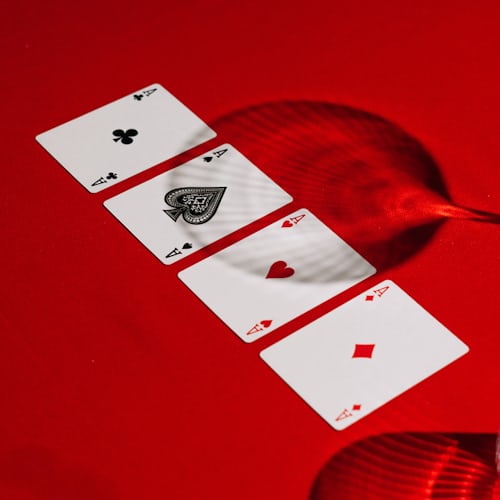
Cash games present a different challenge. Players tend to have more invested in cash games, leading to a more cautious approach when it comes to folding. Bluffing in cash games may require more finesse and a deep understanding of opponents’ tendencies, as players might be less willing to part with their chips. Adapting to these nuances is essential, and successful players often tailor their bluffing strategies based on the specific format they are playing.
Moreover, online poker introduces additional layers of complexity to the bluffing strategy. Without physical tells to observe, players must rely on betting patterns and timing to gauge their opponents’ hands. In this environment, the art of bluffing often hinges on finding ways to create doubt through aggressive betting or carefully timed actions. Understanding how to navigate these different formats is crucial for mastering bluffing in all its forms.
Resources for Enhancing Your Bluffing Skills
Improving your bluffing skills requires both practice and education. Many resources are available to players looking to enhance their game. Books written by professional poker players often delve deeply into the psychological aspects of bluffing, offering valuable insights into both the theory and practice of effective strategies. Learning from the successes and failures of experienced players can provide new perspectives on bluffing and its execution.
Additionally, watching poker tournaments online can be an invaluable learning tool. Observing how top players incorporate bluffing into their strategies can reveal techniques that may not be immediately apparent to inexperienced players. These real-time examples allow aspiring players to analyze what works and what doesn’t, reinforcing concepts discussed in literature while providing practical applications in an engaging format.
Moreover, engaging in regular practice through home games or online poker platforms can help players apply what they’ve learned in real situations. These environments offer opportunities to experiment with different bluffing techniques in low-stakes settings, allowing for trial and error without risking significant losses. Through consistent practice, players can refine their skills and become adept at mastering the art of bluffing in poker games.