
The Nature of Luck in Gambling
Luck is often described as an unpredictable force that plays a significant role in the outcomes of various games within a casino. In gambling, luck manifests in forms such as random number generation, the roll of the dice, or the turn of a card. Unlike games that heavily rely on skill and strategic decision-making, many players enjoy exploring a casino online that hinges on the whims of fortune. This intrinsic uncertainty is what makes casino gaming thrilling, as players continuously seek that elusive stroke of luck that can radically alter their fortunes in mere moments.
The psychological aspect of luck cannot be underestimated. Players frequently attribute their wins to lucky streaks or fortunate coincidences, fostering a belief that luck is a tangible entity they can harness. This belief heightens the excitement surrounding gambling, as players celebrate small wins and hope for larger payouts. The anticipation of luck drives individuals back to casinos, creating a cycle of engagement that benefits both the players and the establishments themselves.
Moreover, the perception of luck varies among individuals. Some people see it as a random occurrence, while others might believe in superstitions or rituals to invoke good fortune. For example, slot machines often feature themes that emphasize luck, such as lucky symbols or colors. This entices players to engage with the machines, hoping that a simple pull of a lever or push of a button can lead to an unexpected jackpot, reinforcing the idea that luck plays a determinative role in their gaming experience.
The Role of Chance in Games of Luck
In the realm of casino games, the concept of chance is integral to the experience. In games like roulette or blackjack, the outcome is heavily influenced by random events. In roulette, the ball’s landing spot is purely a matter of chance, with players only able to strategize to a limited extent. This randomness adds to the allure, as players find themselves on the edge of their seats, waiting to see if fortune will favor them this time.
Gambling is designed with built-in randomness to ensure every player has an equal opportunity to win or lose. This randomness is embedded in the algorithms and mechanics of the games, ensuring fairness for all participants. However, the unpredictable nature of chance emphasizes that no matter how skilled a player may be, luck is often the deciding factor in the outcome. A seasoned player can have a great strategy, but an unexpected twist of fate can easily tilt the table in favor of beginners or those who may not even understand the game.

Understanding this element of chance is crucial for players who wish to navigate the casino landscape successfully. It is essential for gamblers to remember that every spin, turn, or draw is independent of previous outcomes; luck does not favor patterns. This unique combination of chance and randomness makes casinos both thrilling and challenging, as players must constantly adapt and react to their evolving circumstances, all while banking on that fortunate break that might finally yield success.
How Luck Influences Player Behavior
The impact of luck in a casino extends far beyond mere game outcomes; it shapes player behavior and decision-making processes. When players experience a winning streak, their perception of luck can lead to increased confidence and risk-taking. This phenomenon, known as the “gambler’s fallacy,” occurs when individuals believe that a lucky streak gives them an edge, prompting them to make bolder bets in hopes of continuing their good fortune. Such behavior can quickly escalate, leading players to stake more than they originally intended.
Conversely, a run of bad luck can lead to frustration and impulsive decisions. Gamblers facing repeated losses might chase their losses, betting larger amounts in an attempt to recoup their funds. This behavior can lead to greater financial risk and adverse emotional effects. Understanding how luck affects emotions and behaviors can empower players to develop more effective gambling strategies and maintain better control over their activities, ultimately fostering a healthier relationship with gambling.
Additionally, social interactions within gambling environments are often influenced by luck. Players tend to bond over shared experiences of winning or losing, creating a communal atmosphere that amplifies the excitement. Stories of lucky wins often circulate among patrons, increasing the appeal of certain games and encouraging more people to participate. This social aspect of gambling, combined with the unpredictability of luck, creates a unique environment where camaraderie thrives amidst competition, ultimately enhancing the overall casino experience.
The Casino’s Perspective on Luck
From the viewpoint of casino operators, luck plays a dual role: it attracts players while sustaining their engagement. By designing games that emphasize luck and chance, casinos can entice new visitors and keep regular patrons returning in hopes of experiencing their own lucky moments. Promotions that celebrate luck, such as jackpot bonuses or lucky draws, further encourage players to participate, driving revenue for the establishment.
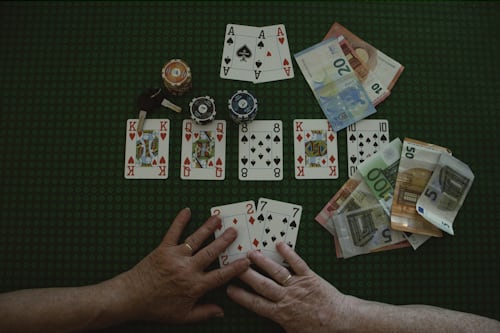
Casinos also understand the significance of controlled randomness. They create environments where luck and skill intertwine, offering games that are both exciting and profitable. The strategic placement of high-stakes tables alongside low-stakes games ensures there’s something for every type of gambler, appealing equally to those who rely on luck and those who enjoy strategic gameplay. This variety enhances the overall gaming experience, providing players with multiple avenues to engage with the concept of luck.
Moreover, the design of the casino itself plays a role in enhancing the perception of luck. Bright lights, engaging sounds, and celebratory displays for wins create an atmosphere where luck feels abundant. When players win, the ambiance reinforces their belief in luck and incentivizes them to play more. This cyclical relationship between the perception of luck and player engagement is a key element in the success of casino operations, ensuring steady traffic and sustained interest in gaming.
Exploring the World of Online Casinos
The rise of online casinos has introduced a new dimension to the role of luck in gambling. Unlike traditional brick-and-mortar establishments, online platforms offer players the convenience of gaming from their own homes while still relying on the fundamental element of luck. The algorithms driving these games are designed to ensure fair outcomes, but the unpredictable nature of luck remains constant as players engage with various options available online.
In the online gambling environment, players often have more choices and access to diverse gaming experiences. From slots to live dealer games, each offering has its mechanics influenced by random outcomes. While players cannot affect the luck factor directly, they can increase their chances of success by strategically selecting which games to play based on their odds and payout rates. This has led to a more informed player base that seeks to balance luck with knowledge, enhancing their overall gambling experience.
Additionally, the online casino world embraces the social aspect of gambling through chat features and community events, mirroring some social interactions found in physical casinos. This blend of convenience, choice, and social engagement continues to redefine how players experience luck in gambling, emphasizing that while luck remains a critical factor, it can coexist with strategic decision-making to enhance overall success in gaming.